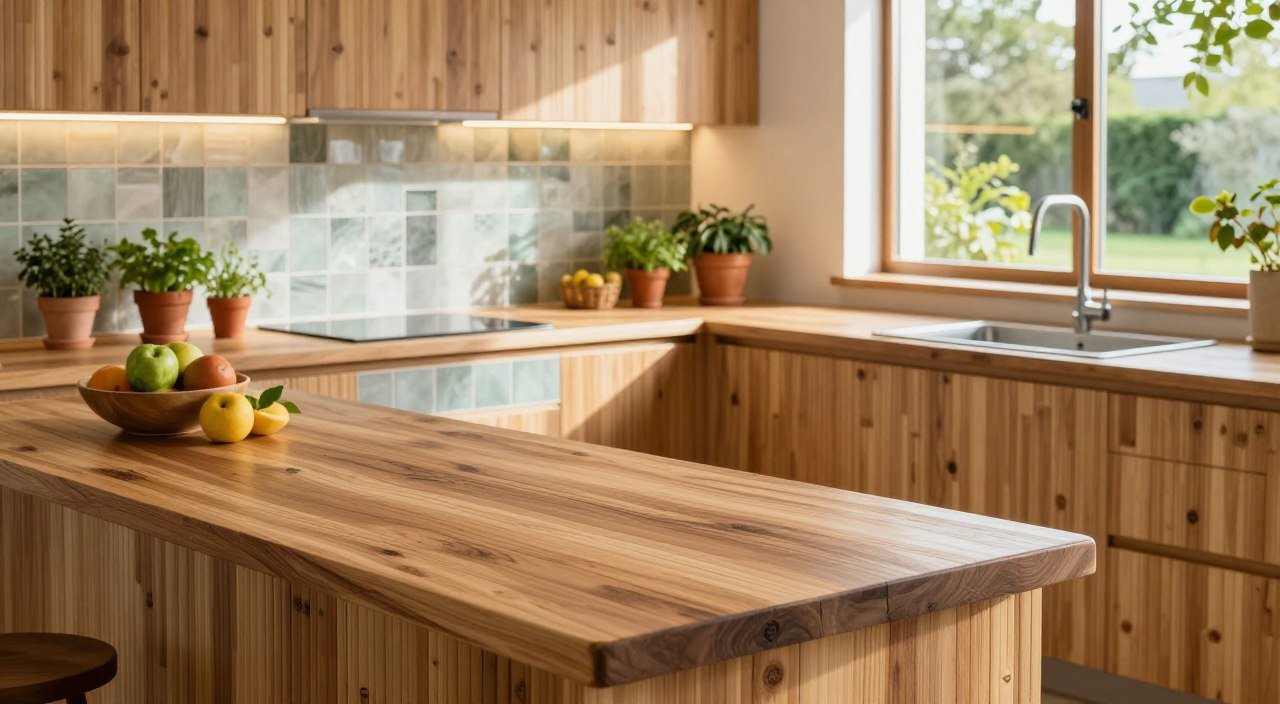
Planning a home renovation is exciting. It lets you change your living space. Choosing the right eco-friendly kitchen materials is key in your design.
These choices do more than update your look. They also help the planet.
By choosing sustainable options, you make your home healthier. Conscious living begins with the things we touch daily. High-quality, renewable materials keep your space safe and efficient for years.
Starting to make your home greener might seem hard. But, focusing on eco-friendly kitchen materials makes it easier. You can make a beautiful, modern space that shows your values and helps the planet.
Assessing Your Kitchen Remodel Goals for Sustainability
Start by figuring out what matters most to you for a greener home. Before picking eco-friendly kitchen materials, know your household’s needs. This helps your renovation match your values.

Defining Your Environmental Priorities
What makes a kitchen sustainable to you? Maybe it’s reducing waste or using local goods. Knowing your goals helps you choose the right green kitchen products.
Think about what’s important to you. Is it air quality, water use, or energy? Ranking these helps you make choices that fit your life.
Setting a Realistic Budget for Green Materials
Green upgrades might cost more upfront. But they often save money in the long run. Look at the total cost, not just the start price.
Here’s a table to compare materials:
| Material Category | Initial Cost | Longevity | Environmental Impact |
|---|---|---|---|
| Recycled Glass | Moderate | High | Low Waste |
| Bamboo Cabinetry | Low to Moderate | Medium | Renewable |
| Reclaimed Wood | High | Very High | Carbon Neutral |
| Energy-Star Appliances | High | Medium | Energy Efficient |
Evaluating the Lifecycle of Kitchen Components
Think about a product’s whole life. Look at how it’s made, used, and thrown away. Choose green kitchen products that are good for the planet long-term.
Check if materials can be recycled or biodegradable. This way, your kitchen stays green for years.
Selecting Sustainable Countertop Surfaces
Your choice of countertop material is key to a green kitchen. Eco-friendly kitchen materials help the planet and look great. These surfaces are tough and stylish, lasting for years.

Recycled Glass and Paper Composite Options
Recycled glass countertops are a smart choice. They use old glass in a new way. This makes a stunning focal point that’s also green.
Paper composite surfaces are soft and warm. They mix recycled paper with safe resins. This gives a sleek, modern look.
Natural Stone Alternatives and Reclaimed Wood
Salvaged wood adds history to your kitchen. It’s a green choice that brings warmth. It’s perfect for a kitchen island or workspace.
Look at stone alternatives too. They’re made from recycled materials and look like marble or slate. They’re elegant and eco-friendly.
Maintenance Requirements for Eco-Conscious Surfaces
Keep your eco-friendly kitchen materials clean with mild soap and water. Avoid harsh chemicals to protect the seal.
Wood surfaces need oil to stay healthy. Regular oiling keeps them looking good. Here’s a table to compare these options.
| Material Type | Durability | Maintenance Level | Best Use |
|---|---|---|---|
| Recycled Glass | High | Low | High-traffic areas |
| Paper Composite | Medium | Medium | Prep stations |
| Reclaimed Wood | Medium | High | Kitchen islands |
Choosing Environmentally Friendly Cabinetry and Hardware
Turning your kitchen green starts with the right cabinetry and hardware. Choosing green kitchen products makes your home healthy and eco-friendly. This choice helps the planet too.

Identifying FSC-Certified Wood and Bamboo
Good cabinetry starts with the wood or bamboo. Look for the Forest Stewardship Council (FSC) label. It means the wood comes from forests that are well-managed.
Bamboo is great too. It grows fast and is a good choice for FSC-certified bamboo. This makes your kitchen green and strong.
Low-VOC Finishes and Formaldehyde-Free Adhesives
Air quality is key in your kitchen. Many cabinets release bad chemicals. Choose low-VOC or zero-VOC finishes to avoid this.
Also, use adhesives that don’t have formaldehyde. These green kitchen products keep your home air clean. Always check the Material Safety Data Sheet (MSDS) to be sure.
«Sustainability is not just about the materials we use, but about the legacy we leave behind in the spaces we inhabit.»
— Sustainable Design Principles
Repurposing Existing Cabinetry for Waste Reduction
Keeping what you have is often the best choice. If your cabinets are still good, just refinish them. This saves materials from the landfill.
If you need new ones, give your old cabinets to reuse centers. Here’s a guide to help you pick the right materials.
| Material Type | Sustainability Rating | Durability | Best Use |
|---|---|---|---|
| FSC-Certified Oak | High | Excellent | Cabinet Frames |
| Solid Bamboo | Very High | High | Doors and Panels |
| Recycled Particleboard | Medium | Moderate | Internal Shelving |
Installing Energy-Efficient Flooring Solutions
Sustainable flooring options are tough and keep your kitchen warm. They use natural insulation to save energy. This makes your home comfy all year.

Benefits of Cork and Linoleum Flooring
Cork comes from cork oak trees without hurting them. It keeps your kitchen floor warm. This natural insulation saves on heating and cooling costs.
Linoleum is made from natural stuff and is good for the air. It’s also comfy underfoot. This makes it great for kitchens.
Durability and Maintenance of Sustainable Tiles
Keeping your kitchen floor clean is easy. Eco-friendly tiles can handle a lot. Just sweep and mop with the right cleaners.
«True sustainability in the kitchen begins at the ground level, where material choices dictate both the longevity of the space and the comfort of the inhabitants.»
High-quality linoleum or cork tiles last long. They don’t dent or scratch easily. Consistent maintenance keeps them looking new. Always seal them right to keep moisture out.
| Material | Insulation Level | Durability | Maintenance |
|---|---|---|---|
| Cork | High | Moderate | Low |
| Linoleum | Medium | High | Low |
| Bamboo | Low | High | Medium |
Underlayment Options for Better Insulation
The underlayment is key for a good kitchen floor. It adds thermal resistance and sound dampening. This is crucial if your kitchen is over an unheated area.
Use recycled rubber or cork underlayment for better energy savings. They block cold air. A good underlayment makes your kitchen cozy and efficient.
Integrating Eco-friendly Kitchen Materials into Your Backsplash
Your kitchen backsplash is a great place to show you care about the planet. Choosing the right materials makes it look amazing. Using environmentally friendly kitchen supplies makes your kitchen look great and feels good.
Utilizing Recycled Ceramic and Glass Tiles
Recycled tiles are smart for the planet and add cool style to your home. They’re made from old glass or ceramic that would have gone to waste. This way, they need less energy to make than new tiles.
These tiles come in many colors and looks. They can make your kitchen look like it has natural stone. Using them is a small step to live greener every day.
Natural Stone and Reclaimed Metal Accents
For a unique look, try reclaimed metals or natural stone. Reclaimed copper or steel tiles shine and get better with age. They come from old buildings, so they’re good for the planet.
«The most sustainable building material is the one that already exists.»
Carl Elefante
Natural stone like slate or travertine is always in style. Getting it from local quarries cuts down on emissions. It’s a smart choice for your kitchen.
Installation Tips for Minimizing Construction Waste
Plan carefully to avoid wasting materials. Measure your wall right to order just enough. Many places that sell environmentally friendly kitchen supplies can cut tiles for you.
Use thin-set mortars and grouts that don’t harm the air. They’re better for your family and the planet. Clean and precise installation makes your backsplash both beautiful and eco-friendly.
Selecting Energy-Efficient Appliances and Fixtures
Make your kitchen green by picking the right stuff. Choose high-performance items to cut down on carbon. Using environmentally friendly kitchen supplies saves money on bills.
Prioritizing Energy Star Rated Equipment
Look for the Energy Star label when buying new kitchen stuff. It means the item is very efficient. Choosing these models cuts down on electricity use without losing power or features.
These Earth-friendly kitchen appliances use less water and energy. They have special features that make them work better than old ones. Buying these helps make your home greener.
Water-Saving Faucets and Low-Flow Aerators
Water saving is as important as energy in a kitchen. A good faucet with a low-flow aerator uses less water. It mixes air with water, keeping pressure strong but using less water.
- Reduces water waste by up to 30% per use.
- Maintains consistent water pressure for cleaning tasks.
- Easy to install on most standard kitchen faucets.
Smart Technology for Reducing Utility Consumption
Smart tech lets you check your energy use on your phone. Many smart appliances alert you to save energy. This data-driven approach helps you use energy wisely all day.
| Appliance Type | Efficiency Feature | Primary Benefit |
|---|---|---|
| Smart Refrigerator | Inverter Compressor | Lower Electricity Use |
| Dishwasher | Soil Sensors | Reduced Water Waste |
| Kitchen Faucet | Aerator Technology | Conservation of Water |
Incorporating Sustainable Kitchenware and Accessories
Make your kitchen better than just appliances. You need sustainable kitchenware. The big things set the scene. But, the small things show your care for the planet.
Investing in Organic Kitchen Utensils
Choose organic kitchen utensils for cooking. Bamboo, wood, and coconut are better than plastic. They’re good for the planet and look nice too.
Choosing the right tools keeps your food safe. Pick ones with safe finishes, not harsh chemicals. This keeps your family healthy and supports green making.
Choosing Eco-Conscious Cookware Materials
What you cook in matters. Pick eco-conscious cookware to avoid harmful chemicals. Choose lasting materials for better meals and a safer home.
- Cast Iron: Gets non-stick with care and lasts forever.
- Stainless Steel: Strong, safe, and recyclable.
- Enameled Ceramic: Safe, easy to clean, and non-toxic.
Organizing with Natural Kitchen Gadgets
Keep your kitchen neat with natural kitchen gadgets. Use glass, steel, or bamboo instead of plastic. They’re tough, easy to clean, and safe.
These green home cooking tools help you keep things tidy. They’re not disposable. This makes your kitchen a lasting, eco-friendly place.
Implementing Waste Reduction Strategies During Construction
A green kitchen remodel is more than just materials. It’s also about how you handle the old stuff. Thoughtful planning helps your project be kind to the earth.
Donating or Recycling Old Kitchen Components
Check your cabinets, appliances, and fixtures before you start tearing things down. Places like Habitat for Humanity ReStore take used kitchen stuff. Donating these items helps others and cuts down on waste.
If things can’t be fixed, find recycling places for metal, glass, and wood. Sorting these during demolition helps recycling centers. This keeps resources from being wasted.
Sourcing Materials Locally to Reduce Carbon Footprint
Transporting heavy stuff to your house uses a lot of energy. Get materials from local places to cut down on carbon. Buying local means less fuel used and fewer emissions.
Local vendors can also find unique materials for you. These often have less environmental impact than imports. Ask your contractor about local suppliers to keep your project green.
Managing Construction Debris Responsibly
Sort waste on-site with a clear plan. Use bins for different materials to avoid mixing. This makes it easier to recycle or dispose of waste properly.
After the big work is done, add the finishing touches. Choose sustainable kitchenware for your new space. This shows your dedication to the planet even after the project is over.
Conclusion
Turning your kitchen into an eco-friendly space needs careful planning. You can make a healthier home by choosing planet-friendly materials.
Every choice you make helps the environment. Even small changes can make a big difference in your home and the world.
Being green makes your kitchen beautiful and useful. Use these tips to make your home better.
Tell your friends about your green kitchen. Your actions can inspire others to live more sustainably.
FAQ
Why should I prioritize eco-friendly kitchen materials during my remodel?
Eco-friendly kitchen materials help the planet and make your home healthier. They cut down on harmful chemicals. This supports green industries and sustainable practices.
What are the most durable options for sustainable countertop surfaces?
Recycled glass and paper composite surfaces are top choices. They’re tough, heat-resistant, and look modern. They beat traditional stone in style and durability.
How can I ensure my kitchen cabinetry is truly sustainable?
Choose FSC-certified wood or bamboo for your cabinets. Make sure they have low-VOC finishes and no formaldehyde. This keeps your home air clean and safe.
Which flooring options provide the best natural insulation for a green home?
Cork and linoleum are great for insulation. They’re soft, durable, and keep your kitchen warm. This saves energy and money.
How do I select the most earth-friendly kitchen appliances for my new space?
Pick Energy Star rated appliances for efficiency. Bosch and Miele offer smart, water-saving dishwashers and fridges. They’re good for the planet and your wallet.
What are the benefits of using organic kitchen utensils and eco-conscious cookware?
Organic utensils cut down on plastic waste. Eco-conscious cookware avoids harmful chemicals. This keeps you and the planet safe.
How can I reduce construction waste while installing a new backsplash?
Use recycled tiles and reclaimed metal for your backsplash. Measure carefully to avoid waste. Choose eco-friendly installers for a greener job.
What is the best way to handle old materials during a renovation?
Donate old cabinets and appliances to Habitat for Humanity ReStore. Buy local materials to reduce shipping waste. This helps the planet.
Are green home cooking tools as effective as traditional ones?
Yes, they are. Green tools are both useful and stylish. You can have quality and eco-friendliness without compromise.