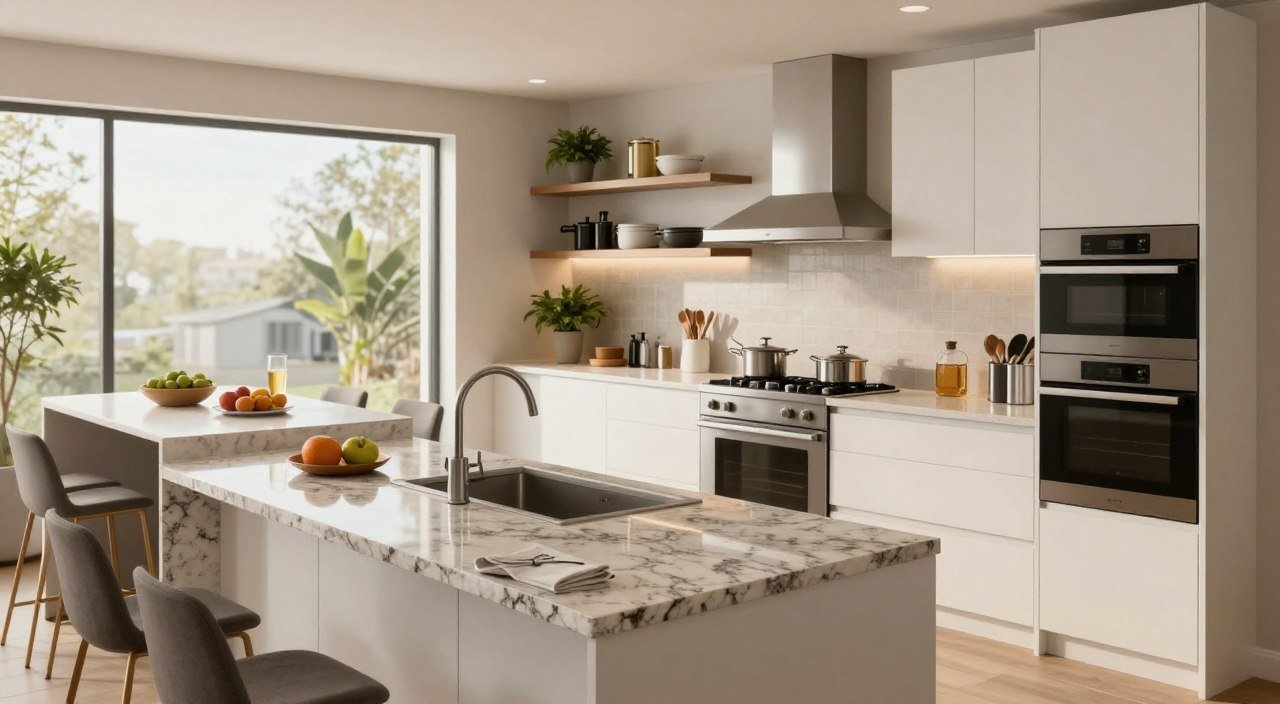
Planning a home upgrade today means knowing the current economic scene. You might feel overwhelmed by price changes. But, staying informed helps you avoid financial surprises.
The average kitchen remodel cost in 2026 is affected by changing material prices and labor shortages. These issues make it hard for homeowners to renovate their homes.
Preparation is the key to success when starting your renovation. Doing your homework helps you set realistic goals. This way, you can avoid problems that often happen in construction projects.
Knowing these factors helps you manage your budget better. With the right plan, you can update your home without breaking the bank.
Understanding the Average kitchen remodel cost in 2026
The average kitchen remodel cost in 2026 changes due to many factors. Supply chains are better now, but prices for materials and workers still go up. These things will affect your project’s cost a lot.
Contractors give different prices because of how much work and finish you want. A simple update is cheaper. But a big change with fancy finishes costs more. Knowing this helps you plan your budget better.

Looking at the average kitchen remodel cost in 2026 helps if you group your project by type. This shows how materials and work affect the cost. Here’s a table with cost ranges for different types of projects.
| Renovation Tier | Scope of Work | Estimated Cost Range |
|---|---|---|
| Standard | Cosmetic updates and minor fixture swaps | $15,000 – $30,000 |
| Mid-Range | New cabinetry, appliances, and flooring | $35,000 – $75,000 |
| High-End | Full layout redesign and luxury materials | $80,000 – $150,000+ |
Your final cost depends on what you need and the local market. Learning about the average kitchen remodel cost in 2026 helps you make smart choices. Remember, prices can change, so plan your budget carefully.
Assessing your kitchen renovation goals and scope
A good kitchen project starts before you lay a tile or install a cabinet. Look at your current kitchen to avoid mistakes. Knowing what you want helps manage kitchen renovation prices from the start.

Defining your kitchen layout needs
Watch how you use your kitchen every day. You might find it too small or your storage not good enough. Identifying these pain points helps you focus on what really matters.
Think about if you need more counter space or if you want an open-concept design. Planning this helps you talk better with contractors. This leads to more accurate quotes on kitchen renovation prices. Aim for a space that fits your daily life and future plans.
Determining the level of renovation required
After figuring out your needs, decide how big the project should be. A simple update, like painting cabinets, costs less than a big change. Distinguishing between these two paths is key for your budget.
Big changes, like moving appliances or knocking down walls, mean a major renovation. These projects need complex work, raising kitchen renovation prices. Be clear if you need a full redo or a smart update to save money.
Creating a realistic budget for your project
A good budget is key for a successful kitchen makeover. It helps you control your kitchen renovation prices and avoid surprises. Planning well keeps your dream kitchen affordable and of high quality.

Setting your financial boundaries
First, decide how much you can spend on your kitchen. Look at your savings, home equity, or loan options. Remember to save 10% to 20% for unexpected costs.
This extra money helps when you find hidden problems. It keeps your project moving forward. Staying within your budget is crucial for affordable kitchen renovation prices.
Prioritizing must-have features versus nice-to-haves
Not all upgrades are needed. Sort your list into must-haves and nice-to-haves. This way, you spend on what really matters.
The table below helps you organize your project. It keeps you focused on what’s most important.
| Category | Examples | Priority Level |
|---|---|---|
| Structural | Plumbing, Electrical, HVAC | High (Must-Have) |
| Functional | Cabinetry, Countertops, Sink | High (Must-Have) |
| Aesthetic | Backsplash, Designer Hardware | Medium (Nice-to-Have) |
| Luxury | Smart Appliances, Custom Lighting | Low (Nice-to-Have) |
Focus on the essentials first. If you have extra money, add the nice-to-haves later. This smart plan keeps your kitchen renovation prices in check.
Breaking down costs by square footage and labor
When you start planning your kitchen, you’ll often hear about average remodeling costs per square foot. This helps pros set a base for your project. It lets you compare different plans easily. Knowing these numbers helps you manage your estimated remodeling expenses right from the start.

Calculating average remodeling costs per square foot
Contractors figure out your budget by multiplying your kitchen’s square footage by a cost factor. This factor includes both materials and labor. It also depends on your design’s complexity, like custom cabinets or fancy appliances.
Labor usually makes up 30% to 50% of your budget. This depends on the skills needed for your project.
Remember, these numbers are just a starting point. If you pick high-end finishes or make big changes, your costs will go up. Make sure your initial estimated remodeling expenses have room for surprises during demolition.
Understanding regional price variations in the United States
Your location affects your renovation’s final cost. Labor rates vary a lot between cities and rural areas. In expensive places, you’ll pay more for the same quality work.
Shipping big items like stone countertops or custom cabinets can also raise costs. If you’re far from big shipping centers, this can add up. Looking into local market trends helps you set a realistic budget for your area.
Selecting materials that balance quality and price
Finding the right materials is key in planning your kitchen renovation. It’s important to balance what you want with what you can afford. This way, you can get the look you want without breaking the bank.
Comparing countertop materials and installation costs
Countertops are a big part of your kitchen and your budget. Natural stone is beautiful but needs special care. Engineered surfaces are easier to keep up but might not look as good.
Think about the total cost, including the material and installation. Pick something that fits your life to avoid future problems and keep costs down.
| Material Type | Durability | Maintenance | Cost Level |
|---|---|---|---|
| Laminate | Moderate | Low | Budget |
| Quartz | High | Low | Mid-Range |
| Granite | High | Moderate | High |
| Solid Surface | Moderate | Low | Mid-Range |
Choosing cabinetry styles that fit your budget
Cabinets are crucial for your kitchen’s look and function. Your choice affects your estimated remodeling expenses a lot.
Stock versus custom cabinet pricing
Stock cabinets are cheaper and faster to get. They fit standard sizes and are easy to find. But, they don’t offer much in terms of custom looks.
Custom cabinets are made just for you. They fit your kitchen perfectly and can have special features. But, they cost more. Think carefully about whether they’re worth it for your budget.
Navigating appliance and fixture expenses
Many homeowners forget how much appliances and hardware affect the cost to renovate kitchen spaces. Cabinets and countertops get all the talk, but these items can raise your costs fast. Plan for them early to avoid price jumps later.
Researching latest trends in kitchen renovation pricing for appliances
The market now favors smart technology and efficient models. These save money in the long run. But, they cost more at first.
Energy-saving appliances are also key. They cost more but save money on bills. Choosing energy-star rated models is wise for saving money later.
Budgeting for plumbing and lighting fixtures
Plumbing and lighting fixtures are like the kitchen’s jewelry. Yet, they’re often forgotten. Set aside money for good faucets, pot fillers, and cabinet hardware. Durability is important here.
Lighting design is crucial too. Think about the cost of LED strips and pendant lights. A good lighting plan makes your kitchen look and work better.
Managing professional contractor and labor fees
Finding the right experts is key to keeping costs down. Materials are easy to see, but the work behind the scenes keeps your home safe and working right. Good management of these experts helps you not go over budget.
Understanding typical renovation charges for general contractors
When you hire a general contractor, you’re paying for more than just work. You’re also paying for project management, watching over the site, and organizing different workers. These typical renovation charges cover things like insurance, licenses, and office work.
Contractors usually add a bit extra to the cost to make a profit. This extra is usually between 10% to 20% of the total cost. Knowing this helps you compare prices better and avoid surprises.
Vetting subcontractors for electrical and plumbing work
For electrical and plumbing, you need licensed pros to follow local codes. Always ask for insurance and licenses before agreeing to anything. Safety is the most important thing when picking these workers.
Make sure they have done similar jobs before. A good worker will tell you how much they’ll charge upfront. This keeps your budget clear and avoids extra costs.
| Professional Role | Primary Responsibility | Typical Fee Structure |
|---|---|---|
| General Contractor | Project oversight and scheduling | 10% – 20% of total project |
| Licensed Electrician | Wiring, lighting, and outlets | Hourly rate or flat project fee |
| Master Plumber | Pipes, drains, and fixtures | Hourly rate or flat project fee |
| General Laborer | Demolition and site cleanup | Standard hourly wage |
Identifying hidden costs and contingency funds
Smart homeowners know a good renovation needs more than a design. It needs a safety net. When you set your updated kitchen remodel budgets, remember older homes have secrets. A contingency fund helps avoid big financial problems from small issues.
Accounting for structural surprises behind walls
When your contractor starts tearing things down, surprises can pop up. You might find old wiring or corroded pipes. Fixing these problems right away is key to a safe kitchen.
«The bitterness of poor quality remains long after the sweetness of low price is forgotten.»
Benjamin Franklin
Older homes often have hidden decay or wear. A buffer in your updated kitchen remodel budgets helps fix these issues. Experts say keep 10% to 20% of your budget for surprises.
Allocating a percentage for permit and inspection fees
You also need to think about the costs of permits and inspections. Local rules require these for big changes to keep your home safe. Not budgeting for these can cause delays or legal trouble.
Check your local building department’s fees early. Costs change based on where you live and your project’s size. Adding these fees to your updated kitchen remodel budgets shows the full cost. This keeps your project legal and protects your home’s value.
Implementing cost-saving strategies for your renovation
Smart homeowners plan well to keep updated kitchen remodel budgets in check. You don’t have to give up style or function to save money. Focus on big changes for a pro look without breaking the bank.
Refacing cabinets instead of replacing them
One smart way to save is by refacing your cabinets. You keep the boxes and just change the doors and drawer fronts. This can save you a lot of money on labor and materials.
This method is also quicker and less messy. You can pick from many modern finishes to update your kitchen. It’s a great way to stay within your updated kitchen remodel budgets and still get a top-notch look.
Sourcing materials during off-peak sales
Buying at the right time is key to saving money. Stores often have big sales in late winter or mid-summer. Plan your buys during these times to get the best deals.
Watch for clearance and seasonal sales for things like lights, hardware, and floors. Buying in bulk or getting floor models can also save you a lot. These small changes help you stick to your updated kitchen remodel budgets without losing quality.
| Strategy | Primary Benefit | Estimated Savings |
|---|---|---|
| Cabinet Refacing | Preserves structure | 40% – 60% |
| Off-Peak Sourcing | Lower unit price | 15% – 30% |
| DIY Hardware Swap | Labor reduction | 10% – 20% |
Scheduling your project to avoid seasonal price hikes
Planning your project well can save you money. Many people don’t think about the calendar’s impact. Knowing market cycles helps you avoid high costs.
Timing your renovation for contractor availability
Spring and early summer are busy for contractors. They charge more because they’re in demand. Renovating in the off-season can save you money.
Renovating when it’s slow means your contractor can focus on you. They won’t rush. This leads to better work and more attention to your needs.
- Increased availability of top-tier subcontractors.
- Greater flexibility in project start and end dates.
- Potential for more personalized communication throughout the renovation.
- Reduced likelihood of overlapping projects causing delays.
Planning around supply chain lead times
Even with the right contractor, delays can happen. Materials like custom cabinets or special tiles can take a long time. This can cause extra costs or rental fees.
Choose your materials early. Make a timeline that includes:
- Confirming shipping estimates for all major appliances.
- Verifying the availability of custom-ordered items before signing contracts.
- Scheduling deliveries to arrive slightly ahead of the installation phase.
- Maintaining a buffer period to handle potential shipping errors or damaged goods.
Plan your renovation with delivery times in mind. This keeps your project on track and within budget. Proactive communication with suppliers is key.
Evaluating the return on investment for your upgrades
Renovating your kitchen means making sure every dollar counts. Look at how your changes might affect your home’s value. This way, you can pick popular kitchen upgrade expenses that really matter to buyers.
By choosing wisely, you can make your kitchen better and keep your money safe.
Focusing on high-impact kitchen upgrade expenses
Some upgrades are better than others. Getting new, energy-saving appliances is a smart move. It makes your kitchen look modern.
Also, new lighting makes your kitchen bright and welcoming. This is something most buyers like.
Here are some key areas to focus on:
- Energy-efficient appliances: They save money and attract green buyers.
- Modern lighting solutions: Good lighting makes your kitchen feel bigger and better.
- Updated hardware: New cabinet pulls and faucets give a fresh look without spending a lot.
- Neutral color palettes: These colors stay in style for a long time.
Long-term value versus immediate aesthetic appeal
It’s tempting to follow the latest trends. But, think about how your kitchen will look in a few years. Choose popular kitchen upgrade expenses that last, not just look good for now.
Quality materials like quartz countertops or solid wood cabinets are worth it. They last longer than cheaper options.
Consider how your kitchen will look in 10 years. A well-made kitchen with classic finishes is always a good choice. This way, your renovation will be a smart investment for the future.
Conclusion
Your kitchen renovation needs a clear plan and smart money management. Start by knowing what you need and looking up material prices. This helps you stay in charge of your project.
Finding good professionals is key to getting what you want. Make sure your contractor is reliable and skilled. Also, keep some extra money for surprises.
A great kitchen makeover makes your home more valuable. It makes your life better and your home more attractive. Now, you know how to tackle remodeling with confidence.
Begin by setting clear goals for your kitchen today. With good planning and smart choices, your dream kitchen is possible. Start your project knowing you’re creating a space for years of joy.
FAQ
What is the projected average kitchen remodel cost in 2026 for a mid-range project?
In 2026, a mid-range kitchen remodel will cost between $35,000 and $75,000. This includes new KraftMaid cabinets and Samsung or LG appliances. The final cost depends on your choices and local labor prices.
How can I accurately calculate the average remodeling costs per square foot?
To find costs per square foot, divide your total cost by your kitchen’s area. Expect to pay $150 to $400 per square foot. Lower costs mean cosmetic updates, while higher costs mean custom designs.
Why are kitchen renovation prices increasing compared to previous years?
Prices are going up due to higher material costs, labor shortages, and inflation. Also, new safety standards and building codes add to costs. It’s important to update your budget to reflect these changes.
What are the most common estimated remodeling expenses that homeowners overlook?
Homeowners often forget about hidden costs like permit fees and structural repairs. It’s smart to save 10% to 20% of your budget for these surprises.
What are the latest trends in kitchen renovation pricing for high-tech appliances?
Now, people are spending more on smart home appliances. High-end items like Bosch dishwashers and GE Profile ovens are common. They make your kitchen more efficient and valuable.
How do typical renovation charges for general contractors affect my overall budget?
General contractors charge 15% to 25% of your total cost. This covers management and ensuring work meets codes. Hiring a pro helps avoid mistakes and ensures quality.
Which popular kitchen upgrade expenses provide the best return on investment (ROI)?
Upgrades like modern lighting, quartz countertops, and refinished cabinets offer the best ROI. They make your kitchen look and work better, increasing your home’s value.